Hannah
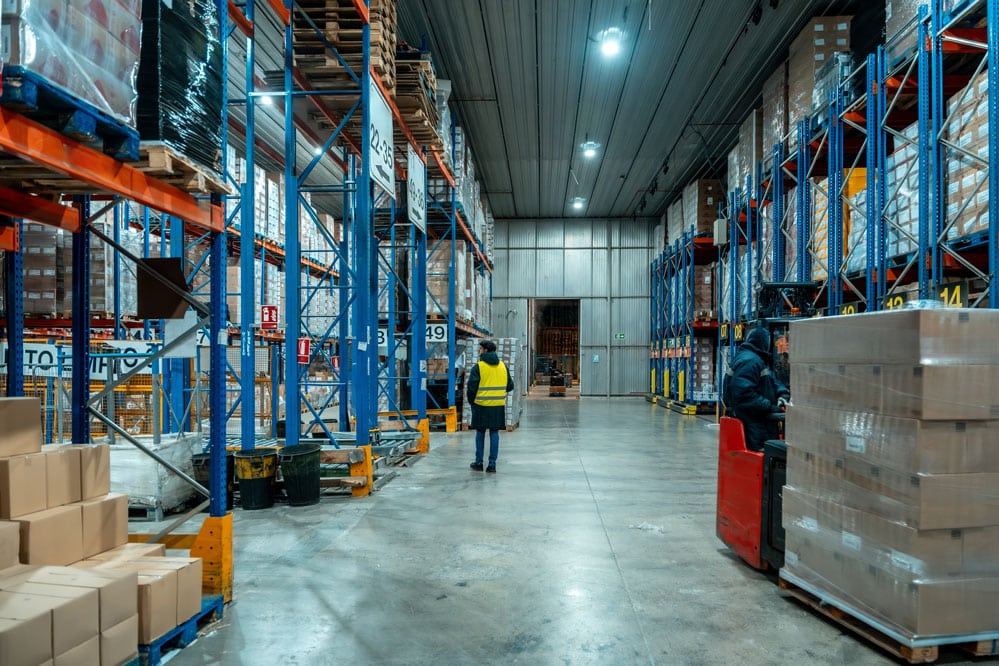
Moving a warehouse entails much more than just moving products from one structure to another. Inventory management, equipment transportation coordination, staff productivity, and minimising disruptions to everyday operations are all tasks that businesses must do. Warehouse relocations, in contrast to residential removals, need intricate logistics, large equipment, storage systems, and rigorous operating schedules. Even a very simple transfer might cause lost goods, unforeseen costs, and major company delays if it is not well planned. Businesses may create workable plans and finish the shift more quickly by being aware of the typical obstacles related to warehouse relocation.
Handling Huge Inventory Volumes
One of the most significant obstacles that companies have while moving their warehouses is inventory management. Thousands of items are often kept in warehouses spanning many shelves, racks, and special storage spaces. Inaccurate inventory records, damaged goods, and lost stock are more likely when these things are moved without a systematic approach.
Before starting the relocation process, businesses should do a thorough inventory review. Packing and shipping may be made easier by classifying stock, identifying frequently used goods, and segregating delicate items. Keeping inventory management systems up to date throughout the relocation also makes it easier for staff to find necessary items when business resumes.
Because it links packaged items to their intended places in the new warehouse, a structured labelling system is very helpful. This makes unloading less confusing and enables companies to more effectively reorganise their storage arrangements.
Organising Storage Systems And Heavy Equipment
Heavy machinery, pallet racks, industrial shelving, and specialised equipment are often transported during warehouse relocations. Because improper transportation might harm priceless goods or put workers’ safety at risk, these items must be handled carefully.
When relocating, businesses should consider the size, weight, and transportation needs of their equipment. Before being transported, certain equipment may need expert disconnection, disassembly, or specialised lifting arrangements.
The transportation of office furniture, packed goods, and other controllable assets may be made easier by working with knowledgeable removalists Rose Bay firms may look into for appropriate relocation service. However, complicated storage systems and industrial gear could call for specialised contractors with the right tools and knowledge.
In order to guarantee that every phase of the transfer adheres to a workable timeline, moving crews, equipment technicians, and warehouse managers must properly coordinate.
Reducing Interruptions To Regular Business Activities
Order fulfilment, inventory distribution, and customer delivery often depend heavily on warehouses. Several departments may be impacted by relocation disruptions, especially if companies rely on steady product availability.
Rather than trying to relocate everything at once, one successful strategy is to break the relocation up into manageable phases. While less important merchandise might be moved earlier, frequently sought items can be available until the very end.
Additionally, companies could think about modifying delivery timetables, alerting clients about short-term modifications, and keeping emergency supplies on hand for critical orders. During the changeover, miscommunication between suppliers, transportation partners, and warehouse workers may be avoided.
Getting The New Warehouse Layout Ready
Operational efficiency is not always increased by relocating to a bigger or more contemporary building. Even when the transfer is finished, issues might arise from inadequate storage plans, inappropriate loading zones, and limited mobility.
Businesses should thoroughly review the new warehouse layout before relocating merchandise. Employee workstations, loading docks, packing stations, and storage racks must be arranged to facilitate everyday operations.
Forklift and other handling equipment traffic route planning is similarly crucial. Unnecessary mobility may be minimised while promoting workplace safety with well-organised storage areas and clear access points. Before operations start, businesses should also make sure that the necessary utilities, lighting, security, and electrical systems are ready.
Handling Unexpected Expenses And Relocation Costs
The costs of moving a warehouse go beyond labour and transportation. Budgets for packing supplies, equipment disassembly, interim storage, insurance, utility connections, and facility adjustments may be necessary for businesses.
Unexpected costs may occur when equipment needs more preparation or when transportation is delayed due to access limitations. Businesses may address these issues without unduly straining operational resources by creating a reasonable relocation budget with a contingency fund.
Confusion over duties and extra fees may also be avoided by obtaining thorough quotes and verifying service inclusions prior to scheduling relocation help.
Conclusion
Careful planning, communication, and coordination are essential for a successful warehouse move. Companies may cut down on needless hassles by planning operational continuity, organising inventories, evaluating equipment needs, and setting up new locations. Businesses may safeguard important assets, uphold customer service, and create a more productive workplace at their new site by resolving any issues prior to moving day.