Hannah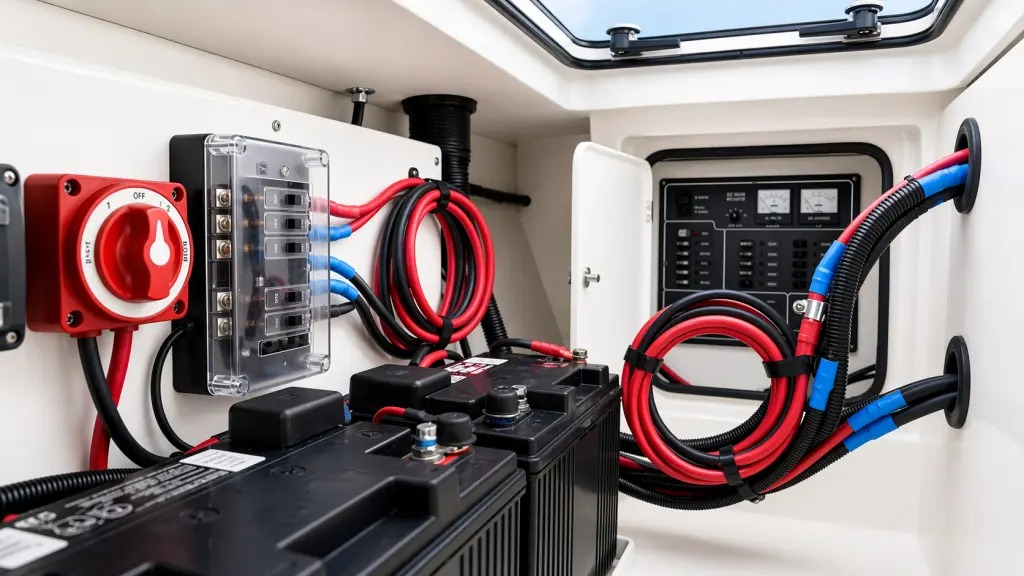
A boat may be admired for its engine performance, navigation technology, deck layout, or overall design, but some of its most important components remain completely out of sight. Electrical wiring is a good example. Hidden behind panels, beneath consoles, and inside compartments, electrical connections quietly support many of the systems that make boating safer and more convenient.
Marine electrical systems operate under demanding conditions that are very different from those found in houses or ordinary vehicles. Moisture, salt, vibration, temperature changes, and constant Movement can all affect electrical components. For this reason, proper wiring is not simply about keeping devices powered. It is an important part of maintaining reliability throughout the vessel.
Marine Environments Create Unique Electrical Challenges
Electrical connections on a boat face continuous environmental exposure. Even wiring located inside enclosed compartments may encounter humidity or condensation. In saltwater environments, corrosion becomes an additional concern because salt can accelerate deterioration when electrical components are insufficiently protected.
Movement creates another challenge. Boats experience engine vibration, wave impact, and shifting forces while underway. Wiring that is loosely installed may rub against surrounding surfaces or experience repeated movement around connection points. Over time, these seemingly minor stresses can contribute to damaged insulation, weakened terminals, or unreliable electrical performance.
Proper routing and secure installation help reduce these problems before they develop into larger electrical issues.
Organised Wiring Makes a Significant Difference
An organised electrical installation is easier to understand, inspect, and maintain. When wires are poorly routed or mixed together without a clear structure, troubleshooting can become unnecessarily complicated. A technician may need to spend considerable time determining which cable belongs to a particular component.
Using a properly designed wiring loom can help bring order to the electrical system by grouping and routing connections in a more structured manner. Depending on the application, it can also help protect wiring from movement and environmental exposure while creating a cleaner installation.
Organisation becomes especially valuable as additional equipment is installed. Modern boats may include navigation displays, lighting, pumps, communication equipment, entertainment systems, and electrically operated anchoring equipment. Each addition increases the importance of maintaining a logical electrical layout.
Reliable Connections Support Essential Equipment
Electrical reliability is about much more than convenience. Several onboard systems may depend on a consistent electrical supply. Navigation equipment, bilge pumps, communication devices, lights, and other systems need dependable connections to operate as intended.
A loose terminal or deteriorating cable can create intermittent problems that are difficult to identify. A device may operate normally at the dock but fail when vibration increases during a trip. This is why attention to terminals, connectors, cable condition, and routing is important during installation and routine maintenance.
Good electrical work considers the complete circuit rather than focusing only on the device being powered.
Protection Against Physical Damage Matters
Where wiring travels through the boat is just as important as the quality of the cable itself. Sharp edges, moving equipment, heat sources, and areas where water can accumulate may increase the risk of damage.
Wires should be routed thoughtfully and secured appropriately so they are not repeatedly pulled, bent, or rubbed. Connections should also remain accessible enough for future inspection. Hiding every cable may create a cleaner appearance, but making important electrical components impossible to reach can make maintenance considerably harder.
Planning therefore requires a balance between protection, appearance, and accessibility.
Good Wiring Simplifies Future Upgrades
Boat Owners often add equipment over time. A vessel that originally had a relatively simple electrical system may eventually receive upgraded electronics, additional lighting, new pumps, or powered deck equipment.
A well-organised electrical foundation makes these changes easier to manage. Technicians can identify existing circuits more efficiently and determine where new equipment can be integrated without creating a confusing collection of additional cables.
By contrast, years of unplanned electrical additions can leave behind tangled wiring that makes every future modification more difficult.
Routine Inspection Should Not Be Overlooked
Even a carefully installed marine electrical system benefits from periodic inspection. Connections can loosen, protective materials can deteriorate, and corrosion may gradually develop.
Owners should pay attention to warning signs such as flickering lights, devices that operate intermittently, unusual electrical smells, visible corrosion, or equipment that unexpectedly loses power. Qualified marine electrical professionals can investigate problems that require technical diagnosis or electrical modifications.
Conclusion
Electrical wiring may remain hidden during everyday boating, but its condition influences many systems throughout a vessel. Proper routing, secure connections, environmental protection, and logical organisation all contribute to dependable electrical performance.
Giving these hidden connections appropriate attention can make maintenance easier, support future upgrades, and reduce avoidable electrical problems. On a boat filled with increasingly sophisticated equipment, a carefully planned electrical system provides the foundation that allows everything else to work together reliably.