Hannah
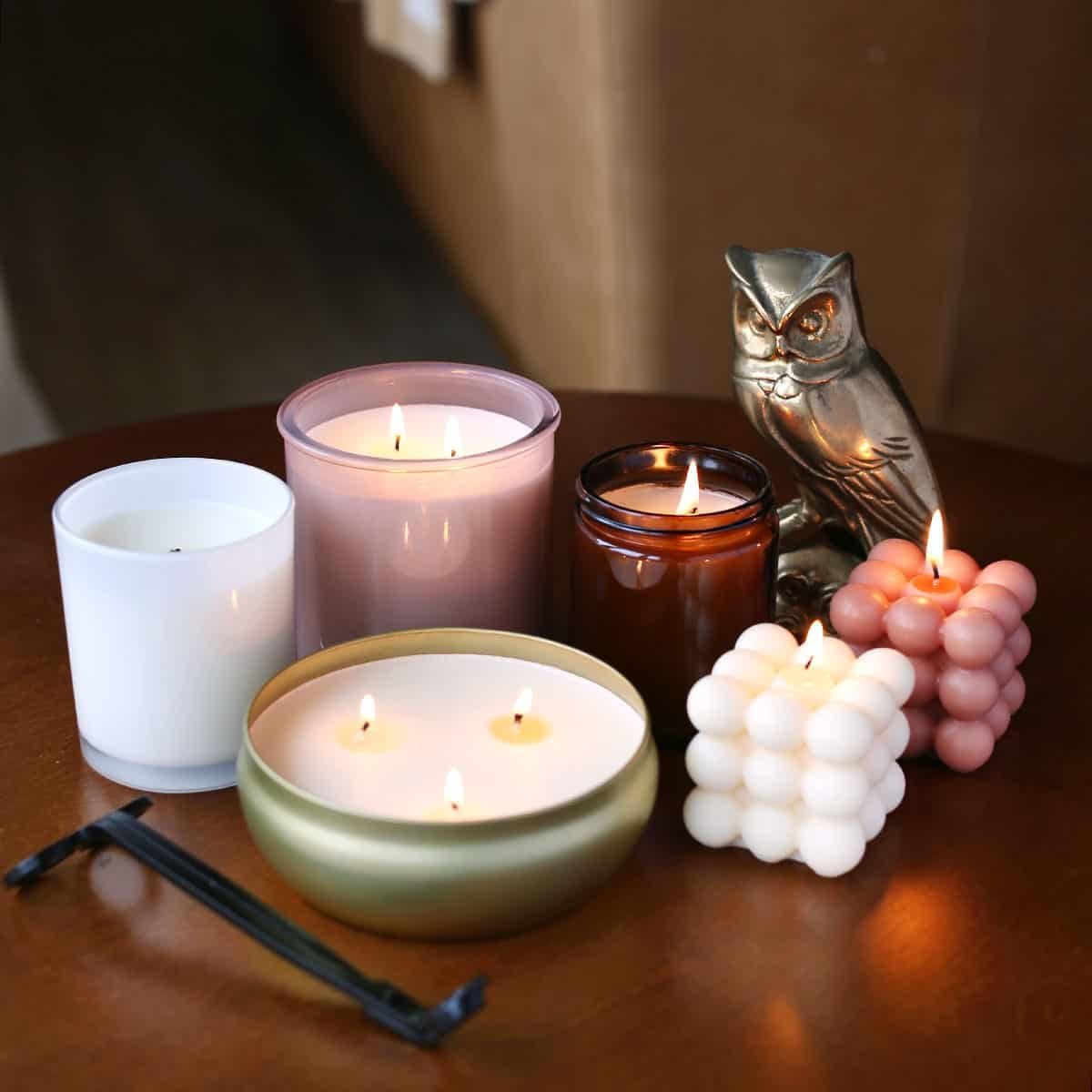
It takes more than just melting wax and putting it into a container to make candles at home. The final candle’s appearance and burning characteristics are influenced by the kind of wax, wick size, fragrance, and pouring temperature. Comprehending these specifics while collecting individual resources might complicate the task needlessly for novices. You can concentrate on learning the skill instead of continuously looking for missing materials if you have the proper equipment from the start. Making candles may be more structured, pleasurable, and manageable with a well-chosen kit.
Knowing What It Takes To Make A Candle
Each candle is made up of a variety of components that must cooperate. The wick sustains the flame, wax creates the body, and, when used correctly, fragrant oils provide aroma. Pouring equipment, thermometers, and containers are also crucial for achieving reliable outcomes.
It is necessary to have some understanding of these materials’ compatibility before selecting them independently. While some waxes are made for freestanding candles, some work best in containers. The diameter of the container and the makeup of the wax are other parameters that affect the choice of wick. By offering components designed to function together, a candle making kit makes these choices easier and provides novices with a hands-on introduction to the procedure.
The Significance Of Material Compatibility
Finding that ingredients don’t work as planned is a frequent problem when creating candles by hand. An excessively tiny wick might result in tunnelling, which would leave wasted wax around the container’s edges. Excessive heat, soot, or an unsteady flame might result from an enormous wick.
Compatibility of aroma and wax is equally vital. There are recommended scent loading and operating temperatures for various wax compositions. Burning performance may be impacted by employing inappropriate materials or adding excessive smell.
By using compatible parts, a well-assembled kit lessens some of this uncertainty. For safe, dependable results, testing completed candles and following the provided instructions are still crucial.
Increasing Comfort In The Learning Process
Determining when to pour molten wax into containers, when to add scent, and how long to mix it may be difficult for beginners. Even though these procedures seem straightforward, time and temperature variations might affect how things turn out in the end.
A better organised learning process is produced when instructions are provided with the required tools. Beginners may follow a standard procedure from preparation to cooling rather than hopping between several courses and product suggestions.
Errors are also easy to spot using this method. If a candle develops an uneven surface or performs poorly in terms of smell, the manufacturer may examine the process without instantly questioning all of the materials utilised.
Cutting Down On Waste And Superfluous Expenses
Buying candle-making ingredients one at a time may result in underutilised resources, particularly if novices are unaware of how much to buy. Although they may look tempting, large amounts of wax, various wick types, and aroma oils may become pricey before the first candle is finished.
Smaller, measured amounts that are appropriate for first tasks are often included in a starting kit. This helps cut down on pointless purchases and enables novices to discover which materials they really love using.
It is simpler to justify investing in larger quantities or specialised equipment if fundamental approaches are mastered. When experimenting with more complex ideas, learning from lesser projects might help avoid expensive errors.
Making Room For Individual Creativity
Kits don’t have to restrict inventiveness even if they provide an organised starting point. Beginners may experiment with various scent combinations, container types, and ornamental finishes after they grasp the fundamentals.
A person who is interested in seasonal candles, for instance, may try lighter smells in the summer and warmer ones in the winter. Some people may like simple container designs that go well with the interior décor of their homes.
It’s crucial to distinguish between inventive experimenting and substituting substances without knowing the consequences. Certain decorative materials and colourants might interfere with safe burning; thus, they should be appropriate for candle use.
Increasing Self-Assurance For Upcoming Candle Projects
People are often inspired to learn more about the trade after making their first successful candle. More complex projects, such as stacked candles, ornamental moulds, and personalised scent mixes, need an understanding of how wax reacts to heating and chilling.
An appropriate beginning kit facilitates this development by making first tasks doable. Candle makers may progressively improve consistency, compare materials, and create their own procedures with experience.
Conclusion
When the supplies and tools facilitate learning, creating candles at home may become a fulfilling creative endeavour. Convenience, less ambiguity, and the ability for novices to grasp key concepts without needless expenditures are all provided by the appropriate kit. Starting with appropriate materials and meticulous preparation builds a better basis for subsequent candle-making tasks rather than focusing only on intricate patterns.