Hannah
Small storage units can quickly become difficult to manage when boxes, furniture, and personal belongings are packed without a clear system. Many people assume that fitting more items into a limited space means stacking everything tightly together, but overcrowding often creates more problems than solutions. Poor organization can lead to damaged belongings, blocked access, and wasted space. By planning carefully and using smart layouts, it becomes possible to store more while still keeping the unit organized and easy to navigate.
Start With A Clear Storage Plan
One of the biggest mistakes people make with small storage units is moving items in without preparation. A storage plan helps determine which items should go in first, where larger objects belong, and how frequently certain belongings may need to be accessed.
Before placing anything inside the unit, sort belongings into categories such as seasonal items, household supplies, documents, sports equipment, or furniture. Grouping similar items together reduces confusion later and makes it easier to find things without unpacking the entire unit.
Creating a simple pathway through the middle of the unit is another effective strategy. Even a narrow aisle can improve accessibility and prevent the frustration of digging through stacked boxes.
Use Vertical Space Efficiently
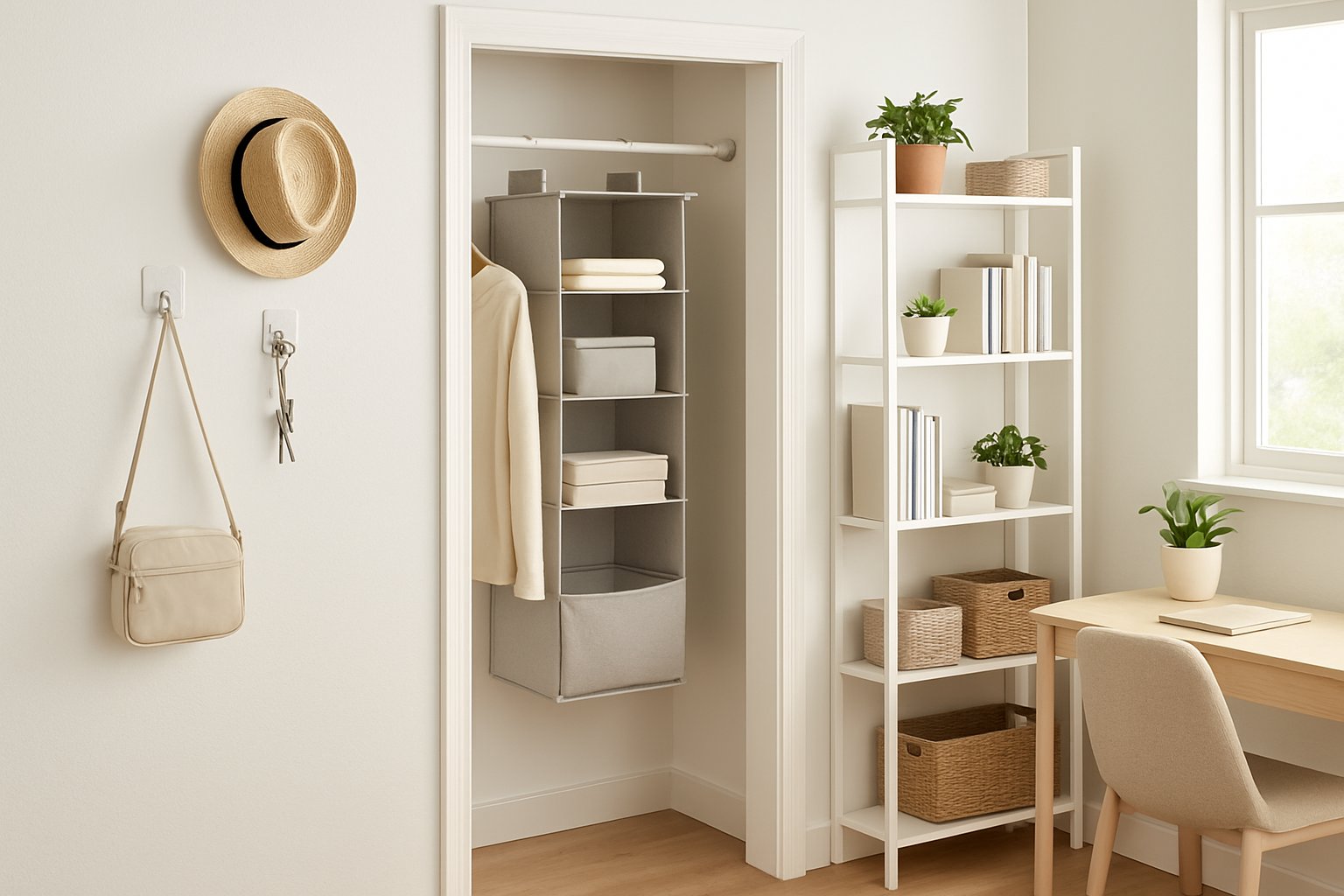
Many storage units have unused vertical space because items are only spread across the floor. Stacking upward instead of outward allows more items to fit comfortably while maintaining order.
Strong shelving systems are useful for organizing bins, boxes, and smaller belongings. Heavy items should stay on lower shelves, while lighter boxes can be placed higher up. Uniform containers also stack more securely and help avoid unstable piles.
Furniture can also contribute to vertical storage. Tall bookcases, cabinets, and standing shelves may hold smaller belongings inside them, reducing wasted interior space. These methods are often recommended in McDowell Mountain Community Storage tips because they create more usable space without overcrowding the unit.
Choose Storage Containers Carefully
The quantity of available space can be significantly influenced by the container variety. Irregular bags and loosely packed cardboard boxes often waste valuable room because they do not stack neatly.
Clear plastic bins are frequently a better option because they protect belongings from dust while allowing easy visibility. Matching container sizes creates cleaner stacking arrangements and improves stability.
Labeling every container is equally important. Instead of writing only broad descriptions like “miscellaneous,” include more detailed labels such as “winter kitchen supplies” or “office electronics.” Clear labeling prevents unnecessary unpacking and keeps the unit organized over time.
Disassemble Large Furniture
Bulky furniture often occupies more room than necessary when left fully assembled. Tables, bed frames, shelves, and other oversized items can usually be taken apart to create additional storage capacity.
Removing table legs, separating bed frames, and stacking chairs together can dramatically reduce the amount of floor space used. Hardware such as screws and bolts should be stored in labeled bags attached securely to the furniture pieces so they are easy to locate later.
Placing mattresses upright against a wall rather than flat on the floor also creates more usable space within compact units.
Rotate Seasonal Items
Many people place every item into storage at once, even when certain belongings will not be needed for months. Rotating seasonal items can help keep the unit more manageable.
Holiday decorations, winter clothing, camping supplies, or summer sports equipment should be placed toward the back when out of season. Frequently used belongings should remain closer to the front for easier access.
This rotating system improves organization and minimizes unnecessary movement inside the unit. Following McDowell Mountain Community Storage tips, like seasonal rotation, can make even a smaller unit feel more functional throughout the year.
Avoid Random Stacking
It may seem faster to pile boxes wherever space is available, but random stacking creates instability and confusion. Overcrowded piles increase the risk of damaged belongings and make retrieval difficult.
Heavier boxes should always remain at the bottom, while lighter containers stay on top. Fragile items should never be trapped beneath bulky furniture or heavy equipment.
Creating designated sections inside the unit can also help maintain order. One area may hold household items while another stores documents or electronics. Organized sections reduce clutter and improve accessibility.
Make Use Of Hidden Storage Areas
Many belongings already contain unused storage space. Drawers, cabinets, suitcases, and storage ottomans can all hold smaller items inside them while being stored.
Filling these hidden spaces reduces the number of separate boxes needed and helps maximize overall storage capacity. Soft items like towels, bedding, or clothing can also be placed inside fragile containers for additional protection during storage.
These simple adjustments often create enough extra room to avoid upgrading to a larger unit unnecessarily.
Keep Accessibility In Mind
A well-organized storage unit should allow items to be retrieved without moving everything around. Accessibility is just as important as fitting more belongings inside.
Frequently used boxes should stay near the entrance, while rarely needed items can remain farther back. Leaving a small amount of open space around valuable or delicate belongings also reduces the chance of accidental damage. Good organizational habits prevent overcrowding and make storage units easier to maintain over time.

Conclusion
Small storage units can hold far more than many people expect when space is used strategically. Careful planning, vertical storage, furniture disassembly, and organized container systems all contribute to better storage efficiency without creating clutter. Instead of cramming belongings into every available corner, thoughtful layouts help preserve accessibility and protect stored items.